Epoxy and polished concrete are often discussed together because both depend on concrete conditions. The better comparison is practical: what does the slab look like now, what must the finished floor handle, and how much downtime can the operation absorb?
Start With The Existing Concrete
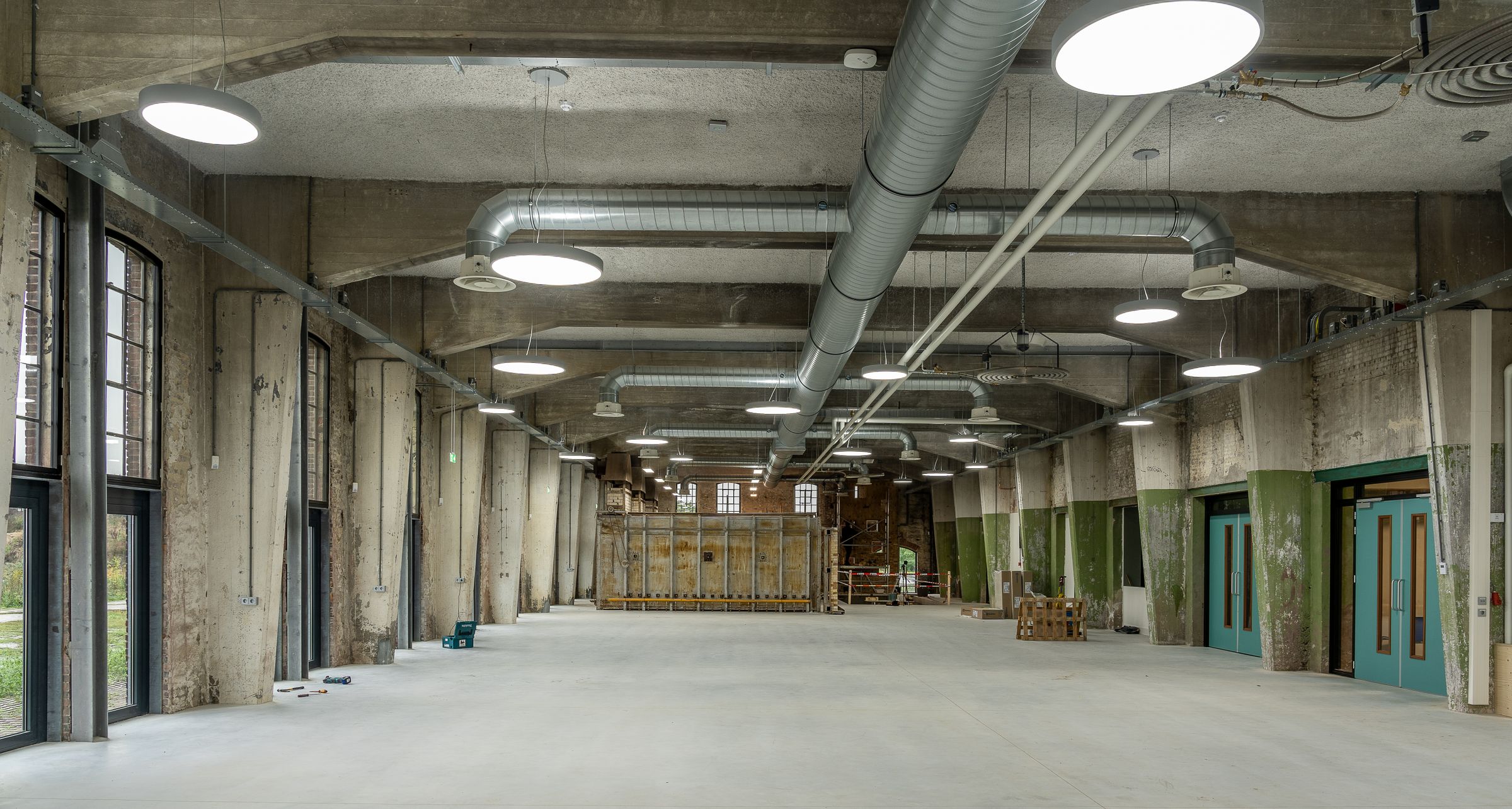
Both directions depend on what is already there. Cracks, previous coatings, adhesive, moisture, contaminants, patching, and surface profile can determine whether the project is straightforward or needs more preparation before a finish is selected.
- Photograph cracks, spalls, stains, old coatings, adhesive, and uneven areas.
- Identify drains, joints, slopes, moisture concerns, and known repairs.
- Clarify whether the goal is a coating system, exposed/polished slab, or a practical alternate.
Compare Finish And Performance Needs
A resinous coating can be discussed when the scope needs a built coating system over prepared concrete. Polished concrete is more tied to the character and condition of the slab itself. Traffic, cleaning, visual expectations, and operating needs should guide the conversation.
- Review traffic, rolling loads, public visibility, cleaning routines, and slip concerns.
- Discuss chemical exposure, staining risk, dust control, and desired appearance.
- Decide whether a decorative finish, practical service surface, or easier maintenance path matters most.
Plan Downtime Before Choosing A Direction
Preparation, grinding, coating, cure time, densifying, polishing passes, protection, and turnover can affect operations differently. The flooring decision should fit the access window as well as the finish goal.
- Confirm whether work must happen in phases, overnight, or during a shutdown.
- Discuss cure time, traffic return, odor sensitivity, dust control, and protection.
- Coordinate other trades, equipment, racking, furniture, or tenant turnover around floor work.
What To Share For A Concrete Floor Bid
A useful first package includes the rough area, slab photos, existing coating notes, finish expectations, use of the space, access constraints, and decision timing. That context helps compare options without overstating what can be known from photos alone.
- Area, building use, current floor condition, and finish goals.
- Photos of slab, joints, cracks, drains, coatings, stains, and transitions.
- Traffic, cleaning, downtime, phasing, and any product or performance requirements.